The studio began with a pattern we kept seeing. Expert founders — the ones running small teams with deep, hands-on knowledge — were the most precise thinkers in the room. They had the numbers, the failed experiments, the judgment earned by paying for it. In public, that same person published something indistinguishable from everyone else in their category, or published nothing at all.
The gap was never talent. It was time, and it was translation. Writing well takes hours a founder does not have, and the act of editing tends to sand off exactly the conviction that made the thinking worth reading. Meanwhile, competitors with half the substance were out-publishing them and owning the conversation.
So we built a studio around a narrow promise: capture the founder's real voice, structure the argument, and publish on a rhythm that can be kept. No content calendars for their own sake. No borrowed opinions. No drafts that read like a committee still deliberating. Just a body of work that turns expertise into the authority your market cannot ignore.
Today we run a small number of long editorial partnerships each season — newsletters, essays, keynote material, and the occasional book. The work is quiet by design. The results are not.


What we hold to
Voice before volume
A founder who sounds like themselves once a fortnight beats a brand that sounds like nobody every day — even with a tiny list.
Teaching is the strategy
The fastest way to be trusted is to make someone more capable before you ever ask them for anything.
Specifics are credibility
Named constraints, real numbers, actual dates. Vagueness is the tell of someone who hasn't done the work.
Fewer clients, longer arcs
Authority compounds over quarters. We take a small number of partnerships so the work can accumulate — even for founders starting from near-zero audience.
The Founder
Written by someone who's lived it.
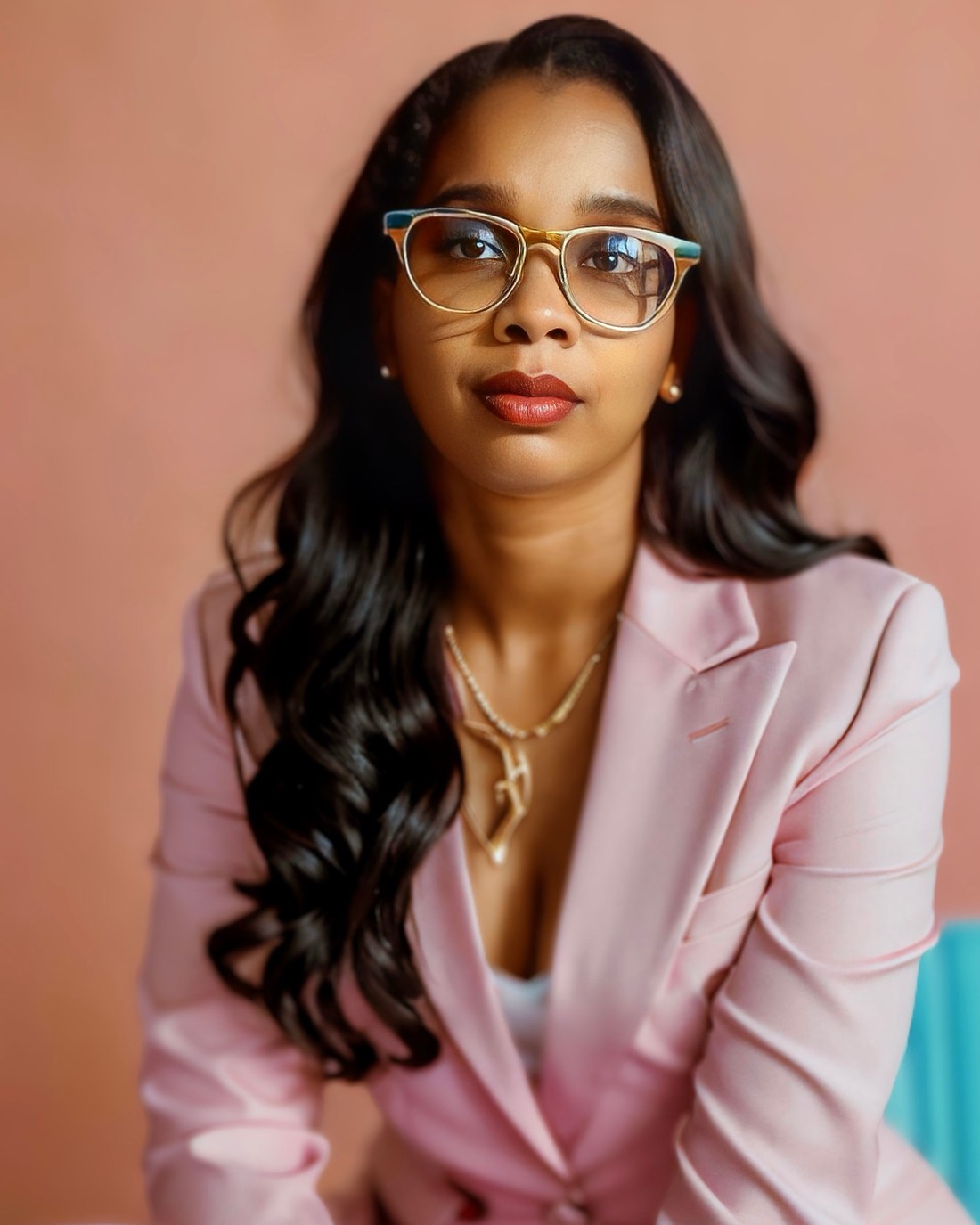
Authority & Founder is led by Nijah Almond — a writer and editorial strategist who has spent years inside the rooms where expert founders decide what to say and, more importantly, what not to. The studio exists because she watched too many brilliant founders — the ones with real expertise and small teams — get out-published by people with half their substance.
Her conviction is simple: authority is not manufactured in a quarter. It is composed, sentence by sentence, by someone who understands both the craft of writing and the weight of running a small business — turning what you already know into the body of work that makes you the obvious choice.
A decade spent writing for and alongside expert founders — the ones with deep substance and small audiences, who would rather teach than advertise.
Essays and editorial features published across business and founder publications, read and shared by the exact small audiences our clients need to reach.
Quoted and featured in conversations on founder-led content, quiet authority, and the craft of being the obvious choice — not just seen.
"I started this studio because the founders I admire most — the ones with real expertise and tiny teams — were being out-published by people with half their substance. That felt fixable."
— Nijah Almond
How we work
The five-phase process behind every engagement.
What clients say
Hear what founders say after the work found its readers.
Stages of authority
The five stages of the client journey, from voice to doctrine.